Recent farm visit an eye-opening experience!
Constantly Cooking began about a dozen years ago with a mission to promote local food and seasonal, heathy eating. Whether on these digital pages or via my televised cooking show, Paula Roy’s Favourite Foods, I’m always encouraging people to get to know where their food comes from. Obviously, it would be tremendous if we could all grow our own food, but this is not realistic, particularly for city dwellers like myself. So that’s where our local farmers come in and I often reflect on the fact that we owe them a collective debt of gratitude that typically goes unpaid. Sure, there are catchy slogans like ‘if you ate today, thank a farmer’ but that’s a bit trite, in my opinion. The very best way to honour the many people who toil on farms so we can put good food our tables is to have an honest conversation with them, and that’s exactly what I got to do on a recent farm tour organized by Farm and Food Care Ontario. It’s a registered Canadian charity and coalition representing Ontario farmers and associated businesses, with a mandate to build public trust in food and farming in Ontario and across Canada.
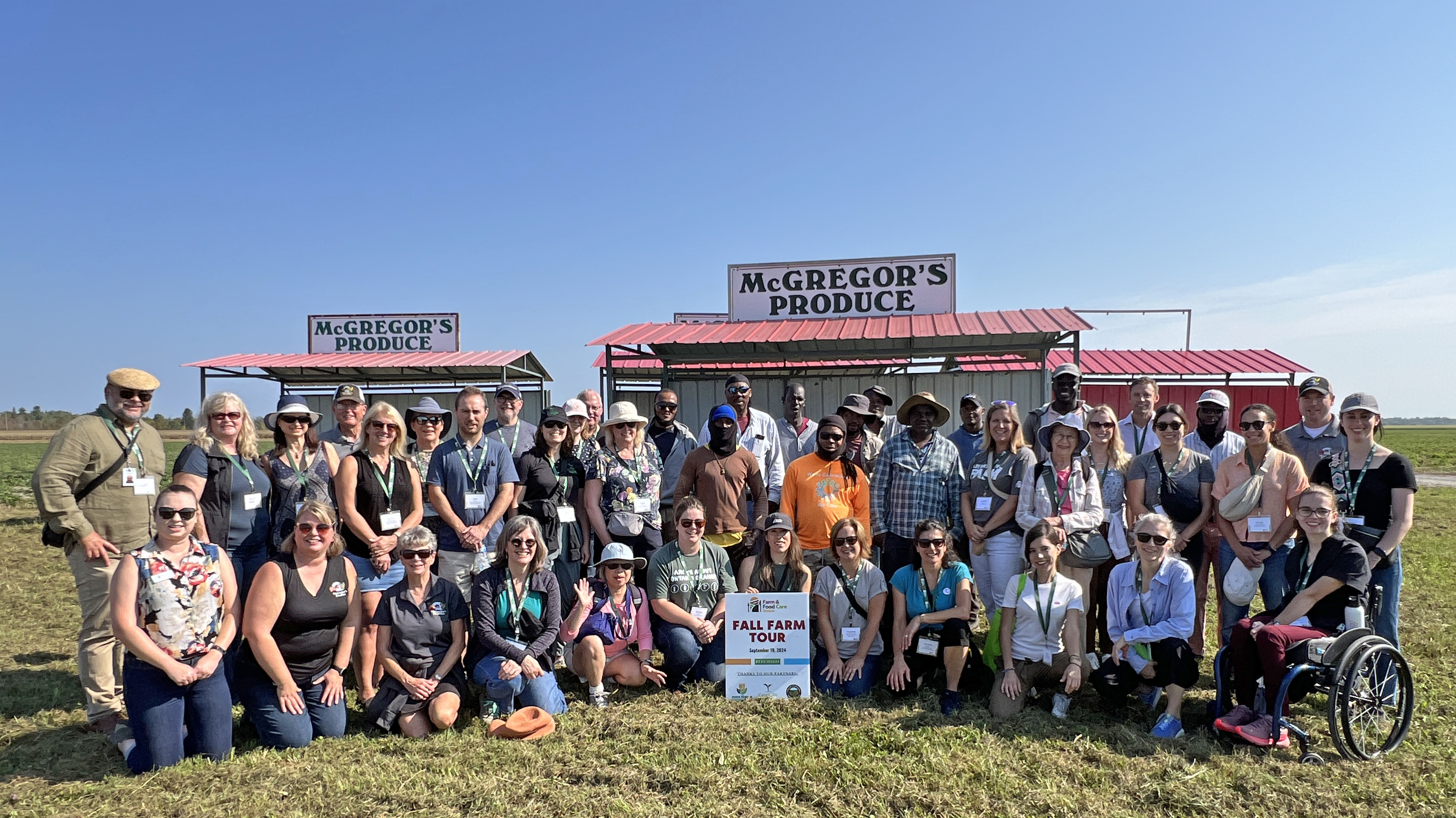
One of the chief goals of this year’s farm tour was to offer an opportunity for a group of Ottawa-area food professionals to have conversations with a collection of seasonal agricultural workers, which we did at Glenroy Farm in Braeside, near Arnprior. It’s a 200-acre working farm called McGregor’s Produce, owned by the McGregor family since 1856 and currently occupied by three generations including parents Jim and Ann McGregor, their son Ian and his wife Deb along with their three children.
Every year, the McGregor’s farm crew includes hardworking men from Jamaica who are an invaluable part of the operation. “Our guys”, as Deb affectionately refers to them, have been coming to work at the farm since 2007. “This year, we had 15 men for the heart of the season, then when things started to wind down one chose to return to Jamaica and we arranged for three others to transfer to a cabbage farm in Cape Breton.”

The farm is well known for its strawberries, which include both June-bearing and day-neutral varieties. We learned that day-neutrals have the capacity to flower and fruit continuously as they are insensitive to day length (i.e. amount of day light) which normally controls flower initiation (which is why the June bearing plants produce when they do). It is thanks to the development of this newer variety that we can enjoy fresh, field-grown Ontario strawberries throughout summer and early fall. Other key crops for the McGregors include raspberries, sweet corn, green and yellow beans, tomatoes, asparagus, potatoes and pumpkins. Getting to pick a pint of raspberries to bring home (with expert guidance from the Jamaican crew on how to select the best berries) was definitely a highlight of our visit!

The farm prides itself on quality and flavour; to support this, all crops are hand harvested at their peak. As a result, Ian notes that working with the federal government’s Seasonal Agricultural Worker Program (SAWP) is vital to having a reliable labour source for the farm and is of enormous benefit to their business. “We could not operate without our seasonal workers,” he confirms.
The farm’s focus is on selling directly to consumer, via six Ottawa Valley roadside stands including two in Renfrew as well as locations in Pembroke, Deep River, Shawville and Barry’s Bay. The McGregors hire up to 20 staff for these stands. They are also regular participants at the Carp Farmers’ Market as well as operating their own farm gate stand plus having seasonal strawberry and raspberry u-pick offerings.
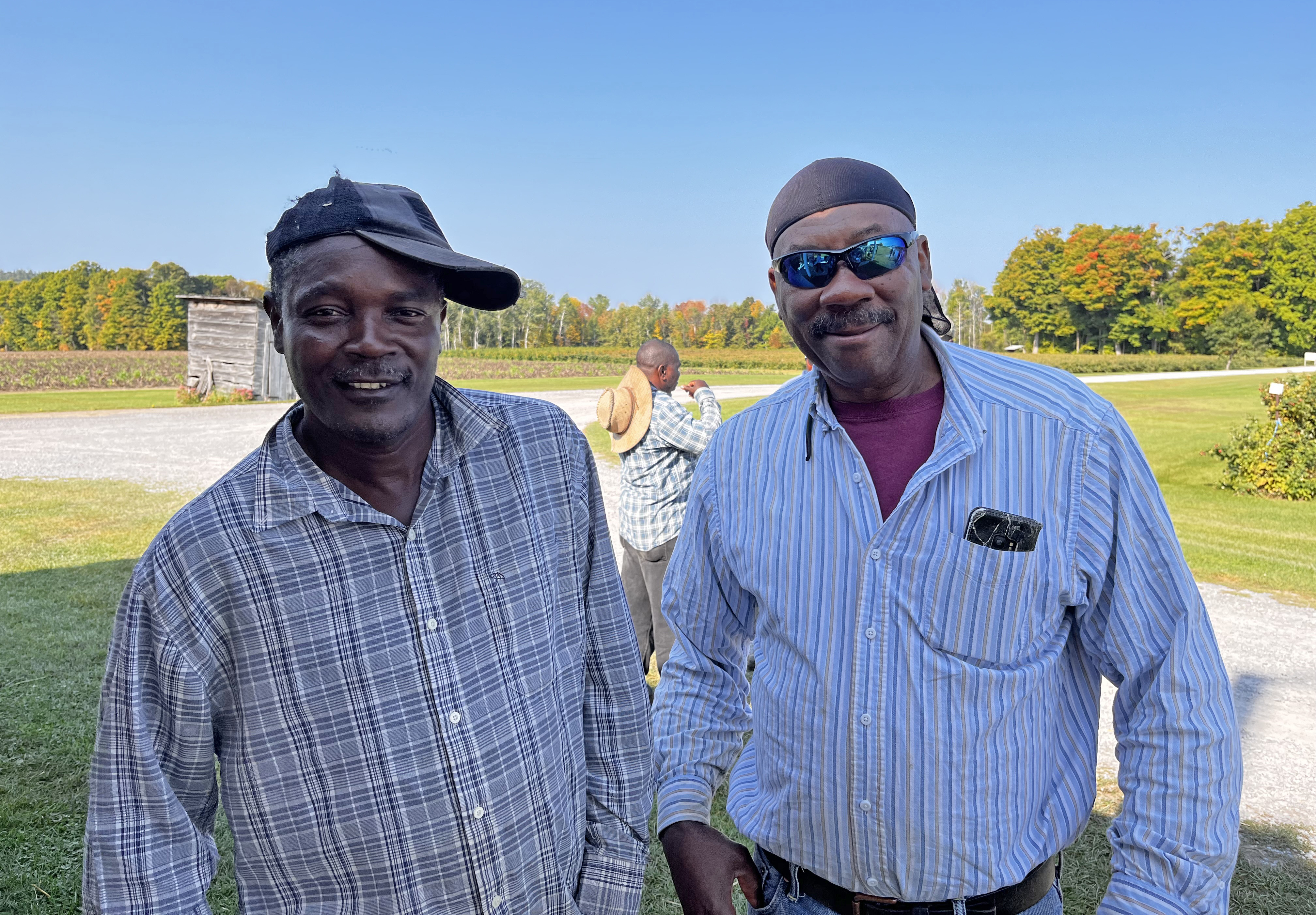
In conversation with two of the Jamaican farm workers, I learned of their deep respect for the McGregor family and the comfortable, safe work environment they provide. They admitted that getting used to things like the Canadian climate required some adjustment, but the fact that they keep returning speaks volumes to the mutually beneficial relationship between farm owner and farm workers. Dolgus, the younger of the two men, mentioned that two things he has learned to love about working and living in Canada during the growing season are bacon and peanut butter. He lamented the lack of spicy foods to be found in local grocery stores, but spoke excitedly of a trip to Ottawa to purchase favourite ingredients from home at a specialty food shop. His colleague Denvil has spent the past 17 seasons at McGregor, having been coming to Canada to work for the past 27 years. “I tell people I am like a bird,” he recounted as we spoke about his life as a seasonal worker. “I have flown away from my nest and am working hard to provide food for my family back home.”
Along with their counterparts at the McGregor’s farm, Denvil and Dolgus are among thousands who have come to Canada to work on farms. Statistics Canada reports that in 2023, there were over 70,200 temporary foreign workers in the agriculture sector; of those, over 29,000 were working on Ontario farms.
If you are interested to learn more about Canada’s essential seasonal agricultural labour force, I encourage you to check out the fascinating More Than a Migrant Worker website. It’s packed with compelling anecdotes from some of Ontario’s seasonal agricultural workers who tell their stories in their own words (they were also invited to review the text before publication, to make sure they are comfortable with the words). The project is a wonderful way to find out who these workers are, what their goals are with the money they are working so hard to earn, what their favourite leisure activities are and more.
The important work of gathering workers’ stories is spearheaded by Ben Murray and Stefan Larrass of the Ontario Fruit and Vegetable Growers’ Association (OFVGA), along with Kelly Daynard, executive director of Farm and Food Care Ontario. All three expressed what a privilege it has been to chronicle these farm workers, many of whom return to Canada year after year. The website and its accompanying social media channels are designed to make consumers stop and think about how vital seasonal workers are to the fruit and vegetable growing sectors.
On our tour, we learned about the rules, rights and benefits that accompany Canada’s seasonal worker program, to protect both farmers and workers alike while ensuring such things as access to health care and adequate housing. As Ben explained, we simply would not have such abundant produce available here without the efforts of the amazing people who come to work on Canadian farms.
Stefan similarly emphasized just how labour-reliant fruit and vegetable farms are, noting that 33% of the money needed to run these farms is spent on wages. He also reminded us that the importance of seasonal workers became particularly apparent when the borders were closed during the early days of the COVID-19 pandemic. In Ontario, 40% of the 2020 asparagus crop was lost due to the delay in approving international agricultural workers’ visas. Other early crops such as strawberries were similarly impacted that year.
Canada’s regulated Seasonal Agricultural Worker Program (SAWP) permits stays of up to 8 months and workers from Mexico, Jamaica, Trinidad and Tobago, Barbados, and the eastern Caribbean islands are eligible. Knowing we must compete with demand from other countries, Canada’s program is very competitive, paying fair wages and providing workplace insurance coverage. Workers are also offered compensation for 50% of their airfare and the program ensures all costs for accommodations and utilities are covered. In some cases, workers are able to make as much as four times what they could earn in their home country, while enjoying the same rights and privileges as Canadian workers.
So the next time you put some locally-grown food on your table, please take a moment to consider the fine folks responsible for it. As Ontario Agriculture Week 2024 winds down, Ontario Agriculture Week, we are all invited to recognize and appreciate the bounty of food produced by our farmers, the dedicated individuals employed in the industry, and the vibrant rural communities that benefit from agriculture.

 Constantly Cooking with Paula Roy
Hi Paula. Thank you so much for writing this article… it is so infomative and gives a great explanation of the migrant worker program and how important it is to our food system. We loved hosting this event and appreciated meeting so many people in our local food world. It was very nice to meet you also. You are welcome to visit our farm anytime!
Deb McGregor
You are most welcome, Deb! Thank you for hosting us – I really enjoyed my time at your farm.